
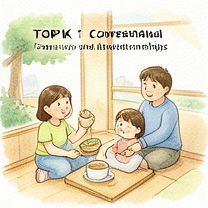
Learning Korean Through TOPIK 1: Family & Relationships
This guide focuses on preparing for the first level of the Test of Proficiency in Korean (TOPIK) specifically around conversations about family and relationships. Don’t worry about perfect grammar; we’re aiming for practical, everyday communication.
Key Vocabulary – Essential Phrases
- 안녕하세요 (Annyeonghaseyo) – Hello
- 감사합니다 (Gamsahamnida) – Thank you (formal)
- 고맙습니다 (Gomapseumnida) – Thank you (slightly less formal)
- 죄송합니다 (Joesonghamnida) – Sorry (formal)
- 괜찮아요 (Gwaenchanayo) – It’s okay / No problem
- 어떻게 지내세요? (Eotteoke jinaeseyo?) – How are you?
- 잘 지내요 (Jal jinae yo) – I’m doing well.
- 가족 (Gajok) – Family
- 부모님 (Bumo-nim) – Parents
- 형제 (Hyeongje) – Siblings
- 남동생 (Namdongsaeng) – Younger brother
- 여동생 (Yeodoseong) – Younger sister
- 배우자 (Baewोजा) – Spouse/Partner
- 친구 (Chingu) – Friend
Common Dialogues & Situations
1. Introducing Your Family
Let’s look at a typical introduction.
Person A: 안녕하세요, 저는 민수예요. (Annyeonghaseyo, jeoneun Minsuyeoyo.) – Hello, I’m Minsoo.
Person B: 안녕하세요! 만나서 반가워요. 저는 지현이에요. (Annyeonghaseyo! Mannaseo bangawoyo. Jeoneun Jihee-ieyo.) – Hello! Nice to meet you. I’m Jihee.
Person A: 민수예요. 제 부모님은 김민수고요. (Minsuyeoyo. Je bumo-nimeun Kim Minsugiyo.) – I’m Minsoo. My parents are Kim Minsoo too. (Note: Repeating the name is common)
Mistake Example: “제 엄마는…” (Je eomma-neun…) – Incorrect! Koreans usually say “부모님” (Bumo-nim). Correct usage: “제 부모님은…” (Je bumo-nimeun…) – My parents are…
2. Talking About Siblings
“Do you have any siblings?” is a frequent question.
Person A: 형제는 몇 명 있어요? (Hyeongje-neun myeom myeong isseoyo?) – How many siblings do you have?
Person B: 네, 여동생 하나 있어요. (Ne, yeodoseong hana isseoyo.) – Yes, I have one younger sister.
Person A: 어떻게 지내세요? (Eotteoke jinaeseyo?) – How are you?
Tips for Success
- Listen to Korean Music and Drama: This helps with pronunciation and natural speech patterns.
- Practice Speaking Regularly: Find a language partner or tutor, even if it’s just for 15-20 minutes a day.
- Focus on Understanding, Not Just Translation: Try to grasp the meaning from context rather than directly translating every word.
- Don’t Be Afraid to Make Mistakes! Making mistakes is part of the learning process. Koreans are generally very patient and appreciative of effort.
Good luck with your Korean studies!


Leave a Reply