
My First Attempt to Organize a Recycling Campaign – And Why It Almost Didn’t Happen!
Okay, so here I am, six months in Berlin, trying to really settle in. I’m working as an English tutor for German kids (it’s amazing!), and I’m loving the city – but honestly, sometimes I feel like a fish out of water. It wasn’t just navigating public transport (seriously, those U-Bahn signs are a nightmare!) it was trying to actually do things here. Then, my colleague, Klaus, suggested I could use my English skills for good and help with the local recycling campaign. That’s when I realised I needed to tackle that TELC B1.2 Writing exam – specifically, the task about organizing a recycling campaign. It felt daunting at first, but it’s actually given me some incredibly useful practice.
The Brief: “Organize a Recycling Campaign”
The prompt was basically this: “Imagine you are in charge of promoting and organizing a recycling campaign for your local neighborhood. Write an email to the residents explaining the importance of recycling and outlining how they can participate.” I knew I needed to show off my ability to give clear instructions, explain things politely, and use persuasive language – all key elements for B1.2.
My Initial Approach (And a Bit of Confusion!)
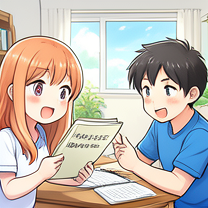
My first draft was… chaotic. I started with this huge list of facts about recycling in Germany – which is fantastic information, but completely overwhelming! I used phrases like “Es ist wichtig, dass…” (“It’s important that…”) constantly and I ended up writing a really dense paragraph. I then practiced saying it out loud to my flatmates, Lisa and Tom, and they both looked at me like I’d lost the plot!
“Was zum Teufel sagtest du da?” (What on earth were you saying there?) asked Lisa, completely bewildered. She was right; it wasn’t clear or concise. I realised I needed to simplify things.
Key Phrases and Vocabulary – Learning from Mistakes
That’s when I started really focusing on the specific vocabulary they wanted me to use in the exam. I spent a whole afternoon looking up words like “Mülltrennung” (waste separation), “Recyclinghof” (recycling centre), “Pfand” (deposit system – you know, for bottles!), and phrases like “Ich möchte Sie bitten…” (“I would like to ask you…”) and “Bitte beteiligen Sie sich…” (“Please participate…”).
A helpful phrase I kept hearing was “Am besten…” (“Best of all…”) which is great for suggesting the simplest solutions. For example, “Am besten trennen Sie Ihren Müll!” (“Best of all, separate your rubbish!”) – something a friendly neighbour would definitely say!
A Realistic Dialogue: Talking to Frau Schmidt
I actually practiced this scenario with my landlady, Frau Schmidt, a lovely older woman who’s super committed to recycling. We pretended she was a resident I needed to persuade.
Me: “Frau Schmidt, ich bin dabei, einen Brief für die Nachbarn zu schreiben, um sie zur Mülltrennung zu motivieren.” (Mrs. Schmidt, I am writing a letter for the neighbors to encourage them to recycle.)
Frau Schmidt: “Ach ja? Das ist eine gute Idee! Aber es muss nicht kompliziert sein, oder? Die meisten Leute verstehen das einfach nicht!” (Oh yes? That’s a good idea! But it mustn’t be complicated, or? Most people just don’t understand it!)
Me: “Ich versuche, es so einfach und klar wie möglich zu machen. Vielleicht mit einem kleinen Infoblatt?” (I am trying to make it as simple and clear as possible. Perhaps with a small information sheet?)
Frau Schmidt: “Ja, genau! Und vielleicht ein Foto von den richtigen Behältern? Das hilft!” (Yes, exactly! And perhaps a photo of the correct bins? That helps!) – This really highlighted the importance of visual aids – something I’d forgotten to consider.
Structure and Tone – Keeping it Friendly
I realised that tone was just as important as content. The exam guidance mentioned being “polite and persuasive.” So, instead of lecturing people about environmental responsibility (which felt a bit preachy), I focused on making it easy for them to participate. I included phrases like “Es ist einfach!” (“It’s easy!”) and “Sie können einen Unterschied machen!” (“You can make a difference!”).
My Final Email (A Bit Better!)
Here’s the revised version of my email (don’t judge too harshly!):
- Betreff: Recycling in unserer Nachbarschaft (Subject: Recycling in our neighborhood)
- Sehr geehrte Damen und Herren, (Dear Ladies and Gentlemen,)
- Ich schreibe Ihnen, um Sie zu ermutigen, am Recycling teilzunehmen. (I am writing to encourage you to participate in recycling.) Es ist wichtig, dass wir unseren Müll richtig trennen, damit er wiederverwertet werden kann. (It’s important that we separate our waste correctly so it can be recycled.)
- Am besten trennen Sie Papier, Plastik und Glas. (Best of all, separate paper, plastic and glass.) Sie können Ihren Wertstoffhof besuchen oder den Müll in den dafür vorgesehenen Behältern entsorgen. (You can visit your local recycling centre or dispose of the waste in the designated bins.)
- Ich hoffe, Sie beteiligen sich! (I hope you participate!)
- Mit freundlichen Grüßen, (Sincerely,)
[Your Name]
Looking Ahead – Practicing for the Exam
This whole experience has been incredibly helpful. It’s not just about writing a perfect email; it’s about developing the skills I need to communicate effectively in German. I’m planning on doing more practice exercises, focusing on building my vocabulary and improving my fluency. And who knows – maybe I’ll actually convince some of my neighbors to recycle!
Vocabulary List for Reference:
- Mülltrennung (waste separation)
- Recyclinghof (recycling centre)
- Pfand (deposit system)
- Wertstoffhof (materials recovery facility)
- Es ist wichtig, dass… (It’s important that…)
- Ich möchte Sie bitten… (I would like to ask you…)
- Bitte beteiligen Sie sich… (Please participate…)
- Am besten… (Best of all…)


Leave a Reply