
Navigating the Apotheke: My First Forays into German Pharmacy
Okay, so here I am, six months in Berlin, and let’s be honest, navigating everyday life has been… a learning curve. I thought I was pretty good at languages, but the Apotheke – the pharmacy – threw me for a loop. It wasn’t the medicine itself, though some of it looked incredibly complicated, it was the conversations. And the sheer number of options!
The Initial Panic: “Was ist das?”
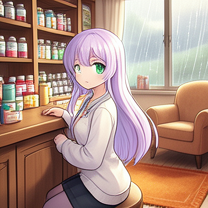
My first time needing anything, I had a terrible headache. I knew I needed something for it, but the words just wouldn’t come. I walked into the Apotheke, a small, brightly lit place near my apartment, and the pharmacist, a kind older man named Herr Schmidt, greeted me with a warm, “Guten Tag!” I felt this immediate wave of panic.
I started babbling, “Ich brauche… ich brauche… Schmerzmittel!” (I need… I need… painkillers!). He looked at me patiently, and I managed to stammer, “Ich habe Kopfschmerzen.” (I have a headache). He pointed to a row of bottles and asked, “Was suchen Sie?” (What are you looking for?). I just shook my head and repeated, “Schmerzmittel!”
He then gave me a very thorough explanation of several different painkillers, each with a different name – Ibuprofen, Paracetamol, Aspirin – and I completely glazed over. It was overwhelming! I eventually just grabbed a bottle of Ibuprofen, feeling utterly defeated. I realize now, I should have just asked him to recommend something for a headache.
Essential Phrases & Vocabulary
Let’s get real. Here’s what I’ve picked up, and what I wish I knew from the start:
- “Ich habe…” (I have…) – Essential for stating the problem. “Ich habe Kopfschmerzen.” (I have a headache).
- “Ich brauche…” (I need…) – More direct. “Ich brauche Schmerzmittel.” (I need painkillers).
- “Was kann ich für Sie tun?” (What can I do for you?) – The pharmacist’s standard greeting. It’s polite to respond with “Ich habe…”
- “Ist das für…” (Is this for…)? – Useful when looking at different medications.
- “Wie nehmen ich das ein?” (How do I take this?) – Absolutely crucial! I definitely asked this a few times.
- “Ist das rezeptpflichtig?” (Is this prescription only?) – Important to know before you ask for something.
- “Kann ich das ohne Rezept bekommen?” (Can I get this without a prescription?) – A common question, but be prepared for him to say no.
A Real Conversation (and a Slight Disaster)
A couple of weeks later, I had a cough. I felt a bit silly asking for help, but I went back to the Apotheke. This time, I tried to be more specific.
Me: “Entschuldigung, Herr Schmidt. Ich habe Husten. Es ist trocken.” (Excuse me, Herr Schmidt. I have a cough. It’s dry.)
Herr Schmidt: “Okay, wir haben viele Optionen. Trocken bedeutet, dass Sie vielleicht ein Mittel gegen die Entzündung brauchen. Haben Sie Fieber?” (Okay, we have many options. Trocken means you might need something against inflammation. Do you have a fever?)
Me: “Nein, kein Fieber.” (No, no fever).
Me (Thinking I was being clever): “Ich möchte etwas gegen Husten nehmen, das auch den Hals beruhigt.” (I want to take something for my cough that also soothes my throat.)
He looked at me, slightly bewildered, and said, “Halsbeschwerde? Okay, aber wir müssen das genau besprechen. Wie schlimm ist der Husten?” (Sore throat? Okay, but we need to discuss this carefully. How bad is the cough?)
I realized I was rambling, throwing around words I didn’t fully understand. I just said, “Es ist… schlechte Husten.” (It’s… bad cough). He then gave me a syrup with honey and menthol – which was actually really helpful, but mortifyingly complicated to administer!
Practical Tips for the Newcomer
- Don’t be afraid to ask for help: Seriously, they want to help. The Germans are incredibly polite and willing to explain things.
- Start with the basics: Describe your symptoms clearly – “Ich habe Kopfschmerzen” (I have a headache) is far better than a panicked list of technical terms.
- Write it down: Keep a small notebook and pen to jot down the names of medications you’re considering. It’s much easier to remember things when you can write them.
- Learn the common painkillers: Ibuprofen, Paracetamol, and Aspirin are staples. Knowing their German names is essential.
- Listen carefully: Pay attention to the pharmacist’s explanations, even if you don’t understand everything at first.
Learning to talk about pharmacies and medication has been one of the most unexpectedly challenging – and ultimately rewarding – parts of learning German. It’s forced me to slow down, communicate clearly, and, importantly, appreciate the genuine kindness of people like Herr Schmidt. Next time I need something, I’ll feel a little more confident. And hopefully, a little less panicked!


Leave a Reply