
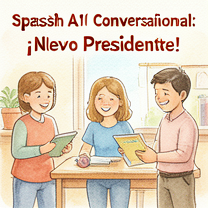
Learning Spanish: ¡Nuevo Presidente! – A Practical Guide to A1 Level
Starting a new language is an exciting challenge. A learner embarking on the journey of learning Spanish, particularly at the A1 level focusing on conversational skills, might initially feel overwhelmed. This article provides a realistic and practical approach, using the scenario of a recent presidential inauguration as a springboard for building essential vocabulary and phrases. The theme focuses on basic interactions and simple questions – perfect for beginning with “Nuevo Español en Marcha.”
Understanding the Basics: Greetings and Introductions
Before exploring the news event, it’s vital to master common greetings. A visitor arriving in a Spanish-speaking country will immediately need to know how to say hello.
- Hola – Hello
- Buenos días – Good morning
- Buenas tardes – Good afternoon/Good evening (used until sunset)
- Buenas noches – Good night
Introducing oneself is equally important. A shopper approaching a vendor might say:
“Hola, me llamo [Name]. ¿Cómo está?”
(Hello, my name is [Name]. How are you?)
The Inauguration Scenario: Basic Questions & Responses
Let’s imagine a situation where someone – perhaps a journalist – is interviewing a local resident about the new president. Understanding basic questions and simple responses is key.
Asking Simple Questions
- ¿Qué es? – What is it?
- ¿Quién es? – Who is it?
- ¿Dónde está? – Where is it?
- ¿Cómo estás? – How are you? (informal)
Typical Responses
“Es el presidente nuevo.”
(It’s the new president.)
“Se llama [President's Name].”
(His/Her name is [President’s Name].)
“Está en el Palacio Presidencial.”
(It’s at the Presidential Palace.)
Common Mistakes and Corrections
A learner often struggles with gendered nouns in Spanish. A common mistake is using el for a female name like “María,” or la for “Juan.” It’s crucial to learn the masculine and feminine forms from the start – el (masculine) and la (feminine).
Another frequent error is overusing formal language. While usted (formal “you”) is important, most initial interactions will use the informal tú. The phrases above reflect this – a visitor should typically use “¿Cómo estás?” instead of “¿Cómo está?”.
Useful Phrases for Everyday Interactions
Beyond greetings, these phrases will be invaluable.
- Por favor – Please
- Gracias – Thank you
- De nada – You’re welcome
- No entiendo – I don’t understand
Resources for Continued Learning
To build upon this foundation, a learner can utilize resources like:
- Duolingo (free app)
- Memrise (flashcard-based learning)
- YouTube channels dedicated to Spanish language learning
The key is consistent practice and immersion. Even short bursts of daily study can make a significant difference. ¡Buena suerte!

Leave a Reply