
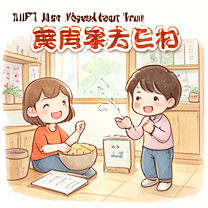
Learning Japanese: Talking About Your Weekend (JLPT N5 Speaking)
This guide will help you start practicing speaking Japanese specifically for the JLPT N5 speaking section – asking and answering questions about your weekend. Don’t worry about perfect grammar right now; focus on getting your ideas across!
Understanding the Goal
The N5 speaking test typically involves a short conversation where you’ll be asked simple questions like “What did you do this weekend?” or “Did you go anywhere?”. The examiners are looking for basic conversational skills, not native-like fluency. Accuracy is important, but it’s more about whether they understand you.
Essential Japanese Phrases
Here’s a list of phrases you’ll absolutely need:
- おはようございます (Ohayou gozaimasu) – Good morning / Hello (formal – use when starting the conversation)
- こんにちは (Konnichiwa) – Hello (general daytime greeting)
- 週末は (Shuumatsu wa) – This weekend
- 何をしましたか? (Nani o shimashita ka?) – What did you do?
- どこに行きましたか? (Doko ni ikimashita ka?) – Where did you go?
- とても楽しかったです (Totemo tanoshikatta desu) – It was very fun.
- ちょっと疲れました (Chotto tsukaremashita) – I got a little tired.
- またね (Mata ne) – See you later
Example Dialogues
Here are some example dialogues to illustrate how this might look:
Dialogue 1: Simple Questions
Person A: こんにちは!週末は ماذاしましたか?(Konnichiwa! Shuumatsu wa nani o shimashita ka?)
Person B: こんにちは! 週末は家で過ごしました。映画を見ました。(Konnichiwa! Shuumatsu wa ie de sugoshimashita. Eiga o mimashita.) - Hello! I spent the weekend at home watching a movie.
Person A: ええ、それはいいですね!(Ee, sore wa ii desu ne!) - Oh, that's good!
Dialogue 2: Adding Details
Person A: こんにちは!週末はどこに行きましたか?(Konnichiwa! Shuumatsu wa doko ni ikimashita ka?)
Person B: こんにちは! 公園に行って、ピクニックをしました。(Konnichiwa! Kounen ni itte, pikunikku o shimashita.) - Hello! I went to the park and had a picnic.
Mistake Example & Correction: Instead of saying “Parku ni ite” (incorrect pronunciation), Person B should say “Kounen ni itte” – It’s important to try and pronounce things as accurately as possible.
Vocabulary for Talking About Your Weekend
Here’s some key vocabulary to expand your conversation:
- 家 (ie) – Home
- 映画 (eiga) – Movie
- 公園 (kouen) – Park
- ピクニック (pikunikku) – Picnic
- 買い物 (kaimono) – Shopping
- 食べ物 (tabemono) – Food
- 友達と(tomodachi to) – With friends
Practice Tips
- Start Simple: Begin with just “What did you do?” and a very basic response.
- Repeat Phrases: Practice saying the phrases aloud many times. Pronunciation is important!
- Role-Play: Find a friend to practice with – one person asks questions, the other answers.
- Listen to Japanese: Even just listening to simple Japanese conversations can help you get used to the rhythm and intonation of the language.
Good luck with your JLPT N5 speaking preparation!

Leave a Reply