
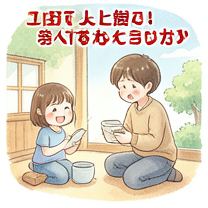
Learning Japanese: JLPT N4 – Talking About Weather & Plans
This article focuses on a practical conversation topic for the JLPT N4 exam – talking about weather and seasonal plans. We’ll cover key phrases, vocabulary, and realistic examples to help you build confidence in speaking basic Japanese.
Understanding the Context
The JLPT N4 test emphasizes conversational ability. You’ll be expected to discuss everyday topics like the weather, your daily activities, and plans for the future with a moderate level of accuracy. Don’t worry about perfect grammar – focus on conveying your meaning clearly.
Key Vocabulary
Here are some essential words related to weather and plans:
- 天気 (tenki) – Weather
- 晴れ (hare) – Sunny
- 雨 (ame) – Rain
- 曇り (kumori) – Cloudy
- 風 (kaze) – Wind
- 暑い (atsui) – Hot
- 寒い (samui) – Cold
- 計画 (keikaku) – Plan
- 予定 (yotei) – Schedule, Arrangement
- 週末 (shuumatsu) – Weekend
- 旅行 (ryokou) – Travel, Trip
Common Phrases
Let’s look at some common phrases you’ll hear and use:
- 今日の天気は?(Kyou no tenki wa?) – What’s the weather like today?
- いい天気ですね。(Ii tenki desu ne.) – It’s nice weather, isn’t it?
- 雨が降っています。(Ame ga futte imasu.) – It’s raining.
- 明日は何をする予定ですか?(Asu wa nani o suru yotei desu ka?) – What are your plans for tomorrow?
- 週末は旅行に行きたいです。(Shuumatsu wa ryokou ni ikitai desu.) – I want to go on a trip this weekend.
Dialogue Example 1: Asking about the Weather
A: こんにちは! (Konnichiwa!) 今日の天気は?(Kyou no tenki wa?) – Hello! What’s the weather like today?
B: こんにちは。 (Konnichiwa.) 晴れです。(Hare desu.) – Hello. It’s sunny.
A: 素晴らしいですね!(Subarashii desune!) – That’s wonderful! 週末は何か予定ありますか?(Shuumatsu wa nani ka yotei arimasu ka?) – Do you have any plans for the weekend?
Dialogue Example 2: Sharing Plans
A: 明日は何をする予定ですか?(Asu wa nani o suru yotei desu ka?) – What are you planning to do tomorrow?
B: ちょっと家でゆっくり過ごしたいんです。 (Chotto ie de yuruku sugoshitai n desu.) – I just want to relax at home.
A: あ、そうですね。(Aa, sou desu ne.) – Oh, that’s right. 私は少し買い物に行きたいです。(Watashi wa sukoshi kaimono ni ikitai desu.) – I want to go shopping a little bit.
Common Mistakes & Corrections
Mistake: “明日、雨が降る?” (Asu, ame ga furu?) – Literally translates to “Will it rain tomorrow?” but sounds unnatural.
Correction: “明日、雨が降るかもしれません。(Asu, ame ga furu kamo shimekudarou.)” – It might rain tomorrow. (More polite and common)
Mistake: Using overly complex sentence structures.
Correction: Keep sentences simple and direct whenever possible. Focus on conveying your core meaning.
Practice & Resources
- Try role-playing these dialogues with a language partner or yourself.
- Use online resources like Duolingo, Memrise, or Tofugu for vocabulary practice.
- Listen to Japanese conversations (podcasts, YouTube videos) to get used to the natural flow of speech.
Good luck with your Japanese studies!


Leave a Reply