
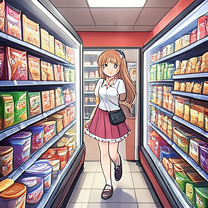
My First Week of German: Dinner with a Friend
Okay, so Berlin is… intense. Seriously, the sheer size of it is overwhelming. I’ve been here for about a week as part of the ‘Work & Travel’ program, and I’m already exhausted, but in a good way, I think. I’m working as a barista at this cool little café near Prenzlauer Berg – ‘Café Glück’ – which translates to ‘Café Happiness’ – and it’s been a baptism by espresso. But the biggest challenge, and honestly, the most exciting part, is trying to actually talk to people.
The Evening Conversation
Last night, I was chatting with Lena, one of the other students from my program. We were just catching up after a long shift, and the conversation started like this:
“Hallo! Wie geht’s dir heute? Mir geht’s gut, danke. Und dir?”
(Hello! How are you today? I’m fine, thanks. And you?)
“Mir auch gut. Ich habe gerade über Abendessen nachgedacht.”
(I’m also good. I was just thinking about dinner.)
Then she went completely off-track. “Echt? Was hast du denn vor?”
(Really? What are you planning?)
“Ich dachte, ich nehme vielleicht etwas gefrorenes.”
(I was thinking maybe I’d take something frozen.)
Honestly, I nearly choked. ‘Gefrorenes’ – frozen food – seemed like a huge deal. I’m still getting used to how quickly everything here moves! “Ich bin so müde, ich will nichts kochen.”
(I’m so tired, I don’t want to cook.)
Navigating the German Food World
Lena continued, completely oblivious to my internal panic. “Gefrorenes? Ich finde das nicht so toll. Ich bevorzuge lieber selbst kochen, wenn ich Zeit habe. Aber gefrorenes ist doch super praktisch! Es ist schnell und man kann sich was Leckeres aussuchen.”
(Frozen food? I don’t really like it. I prefer to cook myself when I have time. But frozen food is really practical! It’s quick, and you can choose something tasty.)
I had to bite back a laugh. It was so…normal. She was completely rational about frozen pizza! “Ja, das stimmt, aber oft schmeckt es nicht so gut wie frisch. Ich mag es, wenn es richtig lecker ist. Ich stimme dir zu.”
(Yes, that’s true, but it often doesn’t taste as good as fresh. I like it when it really tastes good. I agree with you.)
We were talking about fish – “Manchmal ist gefrorener Fisch wirklich schrecklich!” (Sometimes frozen fish is really terrible!) – and then she brought up pizza. “Aber Tiefkühlpizza ist okay, wenn man keine Zeit hat. Oh ja, Tiefkühlpizza ist ein Klassiker!”
(But frozen pizza is okay if you don’t have time. Yes, frozen pizza is a classic!) Then she added, “Aber ich finde, die meisten Tiefkühlgerichte sind zu salzig. Stimmt. Man muss auf die Zutaten achten. Aber für die schnelle Lösung ist es perfekt.”
(But I think most ready meals are too salty. That’s right. You have to check the ingredients. But it’s perfect for a quick solution.)
My Decision
I realized I was going to buy a ready-made meal. “Ich glaube, ich werde heute Abend eine fertige Mahlzeit kaufen. Vielleicht eine von Jamie Oliver.”
(I think I’m going to buy a ready meal tonight. Maybe one by Jamie Oliver.)
Jamie Oliver! That was a good sign – at least I knew who she meant. “Oh, Jamie Oliver ist doch auch gut!”
(Oh, Jamie Oliver is good too!) But I was determined to try cooking something, even just a simple pasta.
Small Steps and Big Ideas
“Aber ich versuche, öfter selbst zu kochen. Das ist eine gute Idee!”
(But I’m trying to cook more myself. That’s a good idea!)
We ended the conversation with a plan. “Vielleicht treffen wir uns mal und kochen zusammen? Das wäre toll! Dann können wir gemeinsam entscheiden, was wir kochen sollen. Super Idee!”
(Maybe we’ll meet up and cook together sometime? That would be great! Then we can decide together what we should cook. Great idea!)
I’m already looking forward to it. I’m slowly building my vocabulary and, more importantly, my confidence. Learning the language is hard, but conversations like this, even with a slightly overwhelming amount of detail about frozen food, are making it feel… well, less overwhelming. I need to start practicing the basics, like saying “Wie viel kostet das?” (How much does that cost?) and “Ich möchte bitte einen Kaffee” (I would like a coffee, please). It’s a process!
Key Phrases to Remember
Here are a few phrases I’ve picked up that I think will be really useful:
- Wie geht’s dir? (How are you?)
- Mir geht’s gut, danke. (I’m fine, thanks.)
- Gefrorenes (Frozen food)
- Tiefkühlpizza (Frozen Pizza)
- Fertige Mahlzeit (Ready-made meal)
- Auf die Zutaten achten (Check the ingredients)
I’m excited to keep learning and exploring Berlin! Wish me luck!


Leave a Reply