
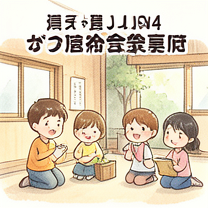
Learning Japanese: Mastering JLPT N4 Reading – Understanding School Announcements
The JLPT N4 exam focuses on reading comprehension, and a common area is understanding short, practical texts like school announcements. This article will guide you through the strategies and techniques needed to confidently tackle these types of questions.
Understanding the Basics
Japanese school announcements (学校のお知らせ – gakkō no omoinari) tend to use simple language and follow a predictable structure. They often announce important dates, events, or changes in rules. Don’t be intimidated! With practice, you’ll quickly learn how to spot key information.
Example Announcement & Vocabulary
Let’s look at an example announcement:
“はい、皆さん。先生が学校のお知らせを読みます。来週の月曜日、午後に、文化祭を行います。時間帯は午後3時からです。参加できる人は、3日までに部活動の担当者に連絡してください。質問があれば、先生に聞いてください。”
This translates roughly to: “Yes, everyone. The teacher will read the school announcement. There will be a culture festival next Monday in the afternoon, starting at 3 pm. If you can participate, please contact your club representative by Friday. If you have any questions, ask the teacher.”
- はい (Hai) – Yes
- 皆さん (Minasan) – Everyone
- 先生 (Sensei) – Teacher
- 読みます (Yomimasu) – Will read
- 学校のお知らせ (Gakkō no omoinari) – School announcement
- 来週 (Raishū) – Next week
- 月曜日 (Getsuyōbi) – Monday
- 午後 (Gogo) – Afternoon
- 文化祭 (Bunka sai) – Culture festival
- 時間帯 (Jikantai) – Time slot, schedule
- 午後3時 (Gogo san-ji) – 3 pm
- 参加できる (Sanka dekiru) – Able to participate
- 部活動の担当者 (Bu Katsudō no Tantōsha) – Club Representative
- 連絡してください (Renraku shite kudasai) – Please contact
- 質問 (Shitsumon) – Question
- 聞いてください (Kiite kudasai) – Please ask
Common Phrases & Sentence Structure
Here are some phrases you’ll frequently encounter:
- ~を行います (~o korimasu) – This indicates an event or activity. Example: 文化祭を行います (Bunka sai o korimasu – “We will hold a culture festival.”)
- ~してください (~o shite kudasai) – This is a polite request. Example: 部活動の担当者に連絡してください (Bu Katsudō no Tantōsha ni renraku shite kudasai – “Please contact your club representative.”)
- 質問があれば… (Shitsumon ga areba…) – If you have any questions…
Mistakes & Corrections
A common mistake beginners make is trying to translate every single word. Focus on the overall meaning and keywords. For example, if you see “部活動” (bu katsudō – club activities), you likely know it’s related to school clubs.
Another issue is assuming politeness levels. Japanese announcements are generally polite. Don’t use overly casual language when answering questions.
Practice Tips for JLPT N4 Reading
- Start with Simple Announcements: Focus on texts specifically designed for N4 level.
- Skim First: Quickly scan the text to identify key information (dates, times, locations, actions).
- Look for Keywords: Identify important words like “参加する” (sanka suru – to participate), “必要” (hitsuyō – necessary) and dates.
- Don’t Get Lost in Translation: Focus on understanding the meaning rather than a literal word-for-word translation.
- Practice Regularly: Consistent practice is key to improving your reading comprehension skills.
Good luck with your JLPT N4 studies!


Leave a Reply