
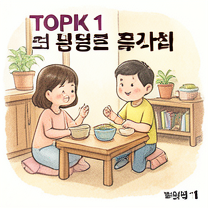
Learn Korean: TOPIK 1 – Daily Activities & Routine
This guide focuses on building your conversational Korean skills using topics frequently covered in the TOPIK 1 exam – specifically, describing your daily activities and routine. We’ll use practical dialogues, vocabulary, and address common mistakes beginners make.
Key Vocabulary & Phrases
- 안녕하세요 (annyeonghaseyo) – Hello
- 잘 지내세요? (jal jinaeseyo?) – How are you?
- 네, 잘 지내요. (ne, jal jinae yo.) – Yes, I’m fine.
- 아침 (achim) – Morning / Breakfast
- 점심 (jeomsim) – Lunch
- 저녁 (jeonyeok) – Dinner
- 일 (il) – Work / Job
- 학교 (hakgyo) – School
- 집 (jib) – Home / House
- 씻다 (sishda) – To shower/wash
- 밥 먹다 (bap meokda) – To eat a meal
- 공부하다 (gongbuhada) – To study
- 시간 (sig an) – Time
- 매일 (maeil) – Every day
- 요일 (yoyil) – Day of the week (Monday, Tuesday…)
Scenario 1: Meeting a Friend for Coffee
Let’s practice introducing your morning routine. Imagine you meet a friend, Minji, for coffee.
You:
안녕하세요, Minji! 잘 지내세요? (annyeonghaseyo, Minji! jal jinaeseyo?) – Hello, Minji! How are you?
Minji:
안녕하세요! 네, 잘 지내요. 오늘 뭐 해요? (annyeonghaseyo! ne, jal jinae yo. oneul mwo haeyo?) – Hello! Yes, I’m fine. What are you doing today?
You (Describing your morning):
저는 매일 아침 7시에 일어나요. (jeoneun maeil achim il sieo illannayo.) – I wake up at 7 am every day.
그런 다음, 저는 씻어요. (geureon daeum, jeoneun siseoyo.) – After that, I shower.
그리고 점심을 먹어요. (geurigo jeomsimeul meogeoyo.) – And I eat lunch.
Minji’s Possible Correction:
정말요? 7시예요?! (jeongmal yo? il sieyo?! ) – Really? 7 am?
맞아요! 매일 똑같아요. (maayo! maeil ttokgatayo.) – That’s right! It’s the same every day.
Scenario 2: Talking About Your Evening
Now, let’s talk about your evening. Let’s say you’re talking to someone about what you do after work.
You:
저녁은 뭐 먹어요? (jeonyeogeun mwo meogeoyo?) – What do you eat for dinner?
Friend:
저는 보통 저녁 8시에 집에 와서 밥을 먹어요. 그리고 TV를 봐요. (jeoneun bomun jeonyeok oito sie jibe waseo bapereul meogeoyo. geurigo televireul bwayo.) – I usually come home at 8 pm for dinner, and then I watch TV.
You:
저는 퇴근하고 영화를 보거나 공부해요. (jeoneun teuggeonhago yeonghwareul boragonu gongbuhaeyo.) – I watch movies or study after work.
Common Mistakes & How to Fix Them
- Using too much formal language: Korean conversations often use a slightly less formal tone. Don’t be afraid to relax!
- Incorrect verb endings: Pay close attention to the correct verb endings for polite speech (e.g., -요, -ㅂ니다).
- Mixing up particles: Particles like 은/는 (eun/neun – “about” or “as for”) and 가/께서 (ga/gyeseo – honorific “to”) can be tricky. Practice using them correctly!
Practice these dialogues, and try to build your own sentences describing your daily routine. The more you speak, the more confident you’ll become!


Leave a Reply