
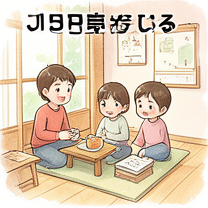
JLPT N5 Speaking: Make Plans With Friends
Introduction
The JLPT N5 focuses heavily on basic conversation skills. This article will guide you through making plans with friends, a common scenario that’s crucial for passing the exam’s speaking section. We’ll cover essential phrases, vocabulary, and realistic dialogue examples. Remember, it’s about communicating clearly, not perfectly!
Key Phrases & Vocabulary
Here are some vital phrases you’ll need:
- Let’s… (~しよう – ~shiyō) – This is incredibly common for suggesting activities. Example: “Let’s go to the park!”
- Do you want to…? (~たいですか? – ~tai desu ka?) – A polite way of asking if someone wants to do something.
- What are you doing today? (今日は何してるの? – Kyō wa nani shiteru no?) – Great for starting a conversation and finding out their availability.
- How about…? (~はどうですか? – ~wa dō desu ka?) – Suggesting an alternative.
- That sounds good! (いいね! – Ii ne!) – A positive response.
- Okay, let’s… (いいよ、~しよう – Ii yo, ~shiyō) – Agreeing to a plan.
Useful Vocabulary:
- 公園 (Kouen) – Park
- 映画館 (Eigakan) – Movie Theater
- カフェ (Kafe) – Cafe
- ランチ (Ranchi) – Lunch
- 買い物 (Kaimono) – Shopping
Sample Dialogue 1: Suggesting a Casual Activity
Person A: こんにちは!(Konnichiwa!) – Hello!
Person B: こんにちは!今日は何してるの?(Konnichiwa! Kyō wa nani shiteru no?)
Person A: 映画館に行こうよ!(Eigakan ni ikou yo!) – Let’s go to the movie theater!
Person B: いいね!(Ii ne!) – That sounds good! おすすめの映画ある? (Osusume no eiga aru?) – Do you have a recommended movie?
Common Mistakes & Corrections
Mistake 1: Saying “行こう” (ikou) without context. This can sound abrupt.
Correction: “映画館に行こうよ!” (Eigakan ni ikou yo!) – “Let’s go to the movie theater!” adding “よ!” (yo!) gives it a softer, more friendly tone.
Mistake 2: Using overly formal language like “~ください” (~kudasai). For friends, simpler phrasing is better.
Sample Dialogue 2: Making Concrete Plans
Person A: じゃあ、明日カフェに行く?(Jaa, asu kafe ni iku?) – Then, shall we go to a cafe tomorrow?
Person B: いいよ!12時にどこがいいかな?(Ii yo! Jūni-ji ni doko ga ii kana?) – Okay! Where would you like to go at 12 o’clock?
Person A: あのカフェに行ってみようか。 (Ano kafe ni itte miyou ka) – Let’s try that cafe.
Person B: うん、いいね!(Un, ii ne!) – Yeah, good!
Tips for the JLPT N5 Speaking Exam
- Practice Regularly: The more you speak, the more comfortable you’ll become.
- Listen to Native Speakers: Helps with pronunciation and intonation.
- Don’t Be Afraid to Make Mistakes: It’s okay! Examiners want to see if you can communicate, not perfect grammar. Focus on clear speech.
- Use Gestures (Sparingly): Small gestures can help express your meaning.


Leave a Reply