
My Terrifying Interview Prep: A B1.2 TELC Journey
Okay, deep breaths. I’m writing this because honestly, learning German for the TELC B1.2 exam has been… intense. Especially when it comes to Bildbeschreibung – picture description. And let me tell you, the ‘job applicant waiting nervously before an interview’ image they use for this level is way too accurate to my own experience. I’m applying for a position as a warehouse assistant at a logistics company, and the thought of that interview, the questions, the looking… it’s nerve-wracking. But I’m pushing through, and I want to share what I’m learning, especially how the B1.2 focuses on being able to describe what you see and understand.
Understanding the Image: The Interview Scene
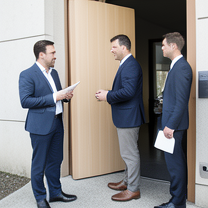
The image is pretty straightforward, but the TELC wants you to be detailed. It shows a young man, probably in his late twenties, sitting in a waiting room. He’s wearing a slightly crumpled shirt, his hands are fidgeting with his phone, and he has a very worried expression. There’s a slightly outdated magazine on the table in front of him. It’s not just about saying “he’s nervous.” It’s about painting a picture with your words.
I started practicing describing it. I’d say things like, “Er sitzt in einem Wartezimmer. Er trägt eine zerknitterte Hemd und seine Hände spielen mit seinem Handy. Er sieht besorgt aus.” (He’s sitting in a waiting room. He’s wearing a crumpled shirt and his hands are playing with his phone. He looks worried.) But the examiner wants more. They want to test my ability to detail why he looks worried, or what the room is really like.
Key Phrases & Vocabulary for Bildbeschreibung
Here’s the vocabulary I’ve been drilling:
- Besorgt: Worried, anxious. I’ve heard people say, “Ich bin sehr besorgt über die Situation.” (I’m very worried about the situation.)
- Zerknittert: Crumpled, wrinkled. “Das Hemd ist zerknittert, weil er gestresst ist.” (The shirt is crumpled because he’s stressed.)
- Fidgeting: To fidget, to play with something nervously. “Er zappelt mit seinen Fingern.” (He’s fidgeting with his fingers.)
- Ein Wartezimmer: A waiting room. “Wir warteten im Wartezimmer, bevor wir zum Interview gingen.” (We waited in the waiting room before we went to the interview.)
- Ein Magazin: A magazine. “Das Magazin ist alt und sieht nicht sehr interessant aus.” (The magazine is old and doesn’t look very interesting.)
Mock Interviews & My First Mistakes
I did a few mock interviews with a tutor, and let me tell you, it was brutal! My biggest mistake was focusing too much on the basic description. When asked, “Warum sieht er besorgt aus?” (Why does he look worried?), I just said, “Because he’s nervous.” The tutor corrected me gently. “No, think about the context. The magazine is old. He’s waiting for an important interview. He’s probably worried about failing.”
It highlighted how important it is to build on the initial description. I started adding layers of understanding. I’m now trying to use phrases like, “Ich vermute, er ist besorgt, weil…” (I suppose he’s worried because…).
Realistic Dialogues – Practicing the Questions
Here’s how a conversation might go, based on this image:
- Examiner: “Beschreiben Sie bitte das Bild.” (Please describe the picture.)
- Me: “Auf dem Bild sehen wir einen jungen Mann, der in einem Wartezimmer sitzt. Er trägt ein zerknittertes Hemd und spielt mit seinem Handy. Er sieht besorgt aus. Das Wartezimmer ist etwas altmodisch, und auf dem Tisch liegt ein altes Magazin.”
- Examiner: “Warum sieht er besorgt aus?” (Why does he look worried?)
- Me: “Ich vermute, er ist besorgt, weil er ein wichtiges Vorstellungsgespräch hat, und er Angst hat, zu versagen. Außerdem ist das Magazin alt, was vielleicht ein Zeichen für einen veralteten Arbeitsplatz ist.” (I suppose he’s worried because he has an important job interview and he’s afraid to fail. Also, the magazine is old, which might be a sign of an outdated workplace.)
Beyond the Picture – Building Confidence
The B1.2 exam isn’t just about this one image. It’s about applying these skills to other situations. I’m practicing describing products in a shop, giving directions, and talking about news articles. Each time I stumble, I remind myself that it’s okay to make mistakes. That’s how I learn.
I’m still nervous about the interview, but I feel much more prepared. I’m focusing on being clear, detailed, and, most importantly, showing that I can understand and respond to what’s being asked of me. And who knows, maybe I’ll be able to calmly describe my own nervousness to the interviewer! Ich drücke die Daumen! (I’m wishing you luck!)


Leave a Reply